

Description
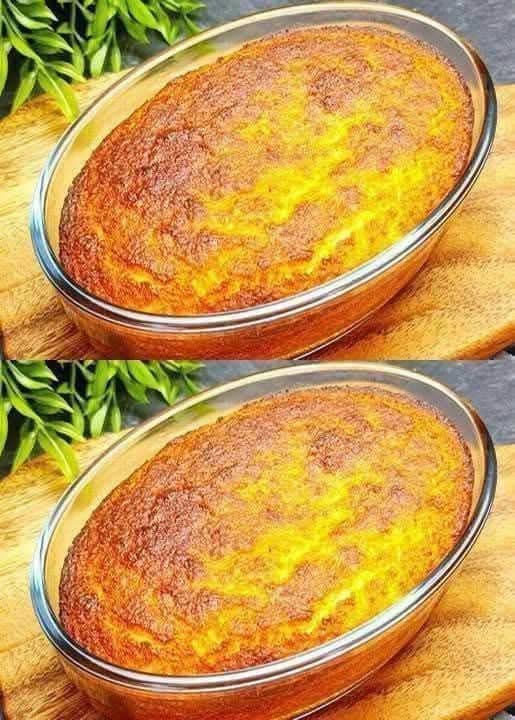
This Easy Coconut Cake is soft, moist, lightly sweet, and packed with delicious coconut flavor in every bite. Made with almond flour, unsweetened coconut, Greek yogurt, and a zero-sugar sweetener, it offers a lower-carb alternative to traditional coconut cake while adding a little extra protein. It is a simple, satisfying dessert for anyone looking for a protein-friendly and diabetes-conscious treat without giving up that classic homemade cake texture.
Can This Easy Coconut Cake Support Weight Loss Goals?
This cake can fit into a balanced weight-management eating pattern when enjoyed in a reasonable portion. Using almond flour, Greek yogurt, and eggs adds protein and fat that can make a serving more satisfying than a traditional sugar-heavy cake. Replacing regular sugar with a zero-sugar sweetener also helps reduce added sugar and overall carbohydrates. However, weight-management results depend on your overall calorie intake and eating pattern, not one individual dessert.
Does Easy Coconut Cake Fit a High-Protein Lifestyle?
This coconut cake can fit a high-protein lifestyle thanks to Greek yogurt, eggs, and almond flour.
A serving provides approximately 8g of protein, while the combination of almond flour and coconut keeps the net carbs lower than many traditional cakes.
Unsweetened coconut adds texture and flavor without relying heavily on added sugar.
For an even more protein-focused dessert, serve it with plain Greek yogurt on the side.
Why This Recipe is Special
- Lower-carb alternative: Almond flour and unsweetened coconut replace much of the traditional flour.
- Protein-friendly: Greek yogurt and eggs provide quality protein in every serving.
- Naturally coconut-forward: Unsweetened shredded coconut gives the cake authentic tropical flavor.
- No regular added sugar: A zero-sugar sweetener provides sweetness while keeping added sugar low.
- Simple preparation: Everything comes together with basic ingredients and straightforward baking.
My Personal Experience
- The coconut flavor really stands out:
Unsweetened shredded coconut gives the cake a naturally rich and slightly chewy texture.
A little vanilla makes the coconut flavor even more noticeable. - Greek yogurt keeps it moist:
The Greek yogurt helps prevent the almond-flour cake from becoming dry or crumbly.
It also adds protein without making the cake taste overly heavy. - It works especially well as an afternoon dessert:
A small slice feels satisfying without being as sweet as traditional coconut cake.
I especially like it with unsweetened tea or coffee. - Toasting the coconut adds another layer of flavor:
Lightly toasted coconut on top becomes fragrant and pleasantly crisp.
It gives the soft cake a nice textural contrast.
Perfect For
This cake is perfect for afternoon snacks, family desserts, tea-time treats, weekend baking, meal-prepped desserts, and lower-carb eating plans. It can also be served at gatherings when you want a less sugary alternative to traditional cake.
Why You’ll Love This Recipe
- Soft and moist texture:
Greek yogurt helps create a tender crumb that stays enjoyable after cooling.
It pairs beautifully with the slightly chewy coconut. - Easy to prepare:
The batter requires simple mixing rather than complicated baking techniques.
It is beginner-friendly and comes together quickly. - Lower in carbohydrates:
Almond flour and unsweetened coconut help reduce the carbohydrate load compared with conventional flour-based cake.
The estimated net carbs are approximately 6g per serving. - Protein-conscious ingredients:
Eggs, Greek yogurt, and almond flour contribute protein to the recipe.
This makes it more suitable for a protein-focused dessert rotation. - Great coconut flavor:
Vanilla and coconut work together for a warm, naturally tropical taste.
You can add toasted coconut for an even stronger coconut experience.
Common Mistakes to Avoid
- Using sweetened coconut: Sweetened coconut can significantly increase the sugar and carbohydrate content, so use unsweetened coconut.
- Overmixing the batter: Excessive mixing can make the cake dense; mix only until the ingredients are evenly combined.
- Overbaking: Almond flour cakes can become dry when baked too long, so remove the cake when the center is set and a toothpick comes out with a few moist crumbs.
- Cutting it immediately: Allow the cake to cool before slicing so the crumb has time to firm up.
Required Equipment
- Mixing bowl — Provides enough room to combine the batter evenly without spills.
- Whisk — Quickly blends the eggs, yogurt, sweetener, and wet ingredients.
- Rubber spatula — Folds in coconut and dry ingredients without overmixing.
- 8-inch round cake pan — Produces an evenly shaped cake with a manageable serving size.
- Parchment paper — Helps prevent sticking and makes the cake easier to remove.
- Wire cooling rack — Allows air to circulate around the cake for even cooling.
Storage Instructions
Store leftover cake in an airtight container in the refrigerator for up to 4–5 days. Place parchment paper between layers if stacking slices to prevent them from sticking together.
For longer storage, wrap individual slices tightly and place them in a freezer-safe container or freezer bag. Freeze for up to 2 months for best quality.
Thaw refrigerated or at room temperature before serving. The protein content remains present after refrigeration or freezing, although the texture may become slightly softer after thawing.
Recipe Details
Preparation Time: 10 minutes
Cooking Time: 25–30 minutes
Total Time: 40 minutes
Servings: 8 slices
Best Season: All-season
Total Calories: Approximately 185 calories per serving
Short Description
A soft, moist coconut cake made with almond flour, Greek yogurt, eggs, and unsweetened coconut.
It delivers rich coconut flavor with approximately 6g net carbs per serving.
A delicious protein-conscious and lower-carb dessert for everyday sweet cravings.
📝 Ingredients
- 1 cup almond flour
- 1/3 cup unsweetened shredded coconut
- 1/2 cup plain nonfat Greek yogurt
- 2 large eggs
- 1/3 cup granulated zero-sugar sweetener, such as monk fruit or erythritol blend
- 2 tablespoons melted coconut oil
- 1 teaspoon vanilla extract
- 1 teaspoon baking powder
- 1/4 teaspoon baking soda
- 1/4 teaspoon salt
- 2 tablespoons unsweetened almond milk
- 1/4 teaspoon coconut extract, optional
Note: Use unsweetened coconut and a zero-sugar sweetener to keep the recipe lower in added sugar and carbohydrates.
Directions
- Preheat the oven: Heat the oven to 350°F (175°C). Line an 8-inch round cake pan with parchment paper and lightly grease the sides.
- Combine the dry ingredients: In a medium bowl, whisk together almond flour, shredded coconut, baking powder, baking soda, and salt.
- Mix the wet ingredients: In a separate bowl, whisk the eggs, Greek yogurt, zero-sugar sweetener, melted coconut oil, vanilla, almond milk, and optional coconut extract until smooth.
- Make the batter: Slowly add the dry ingredients to the wet mixture. Stir gently with a spatula until just combined. Do not overmix.
- Transfer to the pan: Pour the batter into the prepared cake pan and smooth the surface evenly.
- Bake: Place in the oven at 350°F (175°C) and bake for approximately 25–30 minutes. The cake is ready when the top is lightly golden and a toothpick inserted into the center comes out mostly clean with a few moist crumbs.
- Cool: Remove the cake from the oven and let it cool in the pan for about 10 minutes. Transfer it to a wire rack and cool completely before slicing.
- Serve: Slice into 8 portions and serve plain, or top with a spoonful of unsweetened Greek yogurt and a light sprinkle of toasted coconut.
High-protein tip: Pair one slice with plain Greek yogurt or cottage cheese if you want to increase the protein content of the overall snack.
Nutrition Facts Per Serving – Approximate
- Calories: 185 kcal
- Fats: 14 g
- Cholesterol: 47 mg
- Sodium: 155 mg
- Potassium: 105 mg
- Total Carbohydrates: 10 g
- Fiber: 4 g
- Net Carbs: 6 g
- Sugars: 2 g
- Protein: 8 g
- Calcium: 75 mg
Nutrition values are approximate and can vary depending on the specific almond flour, Greek yogurt, coconut, sweetener, and other brands used.
Notes
- Storage: Keep the cake refrigerated in an airtight container for up to 4–5 days.
- Freezing: Freeze individual wrapped slices for up to 2 months.
- Reheating: Warm a slice in the microwave for about 10–15 seconds if you prefer a softer, warmer texture.
- Allergy note: This recipe contains almonds, eggs, and dairy. Check ingredient labels for additional allergens.
- Flavor boost: Add a little extra coconut extract or lightly toasted coconut on top for stronger coconut flavor.
- Serving idea: Pair with plain Greek yogurt for additional protein.
- Diabetes-conscious note: Although this recipe is lower in carbohydrates and contains no regular added sugar, individual blood-glucose responses vary, so portion size and personal dietary needs should still be considered.
Frequently Asked Questions
1. Can I make this coconut cake without almond flour?
Yes, but substituting another flour will change the texture and carbohydrate content, so the nutrition values will need to be recalculated.
2. Is this cake keto-friendly?
It can fit some lower-carb or keto-style eating plans because it contains approximately 6g net carbs per serving, but individual daily carbohydrate targets vary.
3. Can I use regular sugar instead of zero-sugar sweetener?
Yes, but regular sugar will increase the added sugar, carbohydrates, and calories.
4. Can I make this cake more high-protein?
Yes, serving it with Greek yogurt or using a suitable higher-protein yogurt can increase the protein of the overall dessert.
5. Why is my coconut cake dry?
Overbaking is the most common reason, so remove the cake once the center is set and a toothpick shows a few moist crumbs.
6. Can I add coconut frosting?
Yes, but choose an unsweetened or lower-sugar frosting if you want to maintain the recipe’s lower-carb profile.