
Description
This Cottage Cheese Ice Cream is one of those simple desserts that feels surprisingly indulgent for how easy it is to make. Fat-free cottage cheese is blended with a zero-calorie sweetener and vanilla until completely smooth, then frozen until thick, creamy, and scoopable. The result is cold, creamy, lightly sweet, and packed with protein without the heavy cream traditionally used in ice cream. It is a fantastic high-protein, lower-carb dessert when you want something sweet while keeping the ingredient list simple.
Can This Cottage Cheese Ice Cream Support Weight Loss Goals?
It can fit into a balanced weight-management eating pattern because the recipe uses fat-free cottage cheese as its main ingredient rather than heavy cream or large amounts of added sugar. Cottage cheese provides protein, which can make a small dessert more satisfying, while a calorie-free sweetener helps keep added sugar low. Portion size still matters, but this is a convenient way to enjoy a protein-rich frozen treat.
Does Cottage Cheese Ice Cream Fit a High-Protein Lifestyle?
Yes, this dessert is particularly suitable for a high-protein lifestyle because fat-free cottage cheese provides most of the protein. The recipe contains very few ingredients and can remain relatively low in carbohydrates when a zero-calorie sweetener is used. Depending on the cottage cheese brand and sweetener, one serving contains approximately 3–5g net carbs. With around 14g protein per serving using a higher-protein cottage cheese, it works well as a protein-focused dessert or snack.
Why This Recipe is Special
- High-protein dessert: Cottage cheese provides a substantial protein boost in a sweet frozen treat.
- Lower-carb friendly: A zero-calorie sweetener keeps added sugar and carbohydrates relatively low.
- No ice cream maker required: A blender or food processor is enough to create the creamy base.
- Simple ingredients: You only need a few basic ingredients to make it.
- Easy to customize: Vanilla, cocoa, berries, peanut butter powder, or cinnamon can transform the flavor.
My Personal Experience
- The texture is surprisingly creamy:
Blending the cottage cheese until completely smooth removes most of its natural curds.
After freezing, it becomes much closer to a soft frozen dessert than you might expect. - Vanilla makes a huge difference:
A little vanilla extract gives the cottage cheese base a classic dessert-like flavor.
It also helps soften the tanginess of the cottage cheese. - It works best when slightly softened:
Straight from a deep freezer, the ice cream can become quite firm.
Letting it sit for several minutes makes it much easier to scoop and gives it a creamier texture. - The flavor possibilities are endless:
The neutral cottage cheese base works beautifully with cocoa, berries, cinnamon, or peanut butter powder.
It is easy to create a different flavor every time without changing the basic recipe.
Perfect For
- High-protein desserts
- Low-carb snack plans
- Quick frozen treats
- Meal-prep desserts
- Warm-weather snacks
- Post-meal sweet cravings
- WW-friendly dessert planning
- Protein-focused eating patterns
Why You’ll Love This Recipe
- Packed with protein:
Fat-free cottage cheese turns an ordinary frozen dessert into a protein-rich option.
It is an easy way to add protein without cooking a full meal. - Creamy and satisfying:
Thorough blending creates a smooth base with a surprisingly rich texture.
Freezing transforms it into a refreshing spoonable dessert. - Very simple:
There is no stovetop cooking, custard-making, or ice cream machine required.
Blend, freeze, soften slightly, and enjoy. - Lower in added sugar:
A zero-calorie sweetener keeps the recipe sweet without relying on large amounts of sugar.
This also helps keep the carbohydrate count relatively controlled. - Easy to customize:
The basic vanilla version can become chocolate, berry, cinnamon, or peanut butter flavored.
Small additions can completely change the dessert while keeping the same creamy base.
Common Mistakes to Avoid
- Not blending long enough: Cottage cheese needs to be blended until completely smooth for the best ice-cream-like texture.
- Using too much liquid: Extra milk or water can create a harder, icier frozen texture.
- Freezing it for too long before serving: Very long freezing can make the mixture extremely firm and difficult to scoop.
- Using too little sweetener: Cold temperatures reduce perceived sweetness, so taste the blended mixture before freezing.
Required Equipment
- High-speed blender or food processor — creates an exceptionally smooth cottage cheese base.
- Rubber spatula — helps scrape the creamy mixture from the blender without wasting it.
- Freezer-safe container — protects the ice cream from freezer odors and excessive ice crystals.
- Measuring spoons — keep sweetener and flavorings consistent.
- Ice cream scoop — makes it easier to serve the frozen dessert after softening.
Storage Instructions
Transfer the blended ice cream to a shallow, airtight, freezer-safe container. Press a piece of parchment or plastic wrap gently against the surface before sealing to reduce ice crystal formation.
Keep it frozen for up to 1–2 weeks for the best texture and flavor. The dessert remains protein-rich while frozen, but the texture becomes progressively firmer over time.
This recipe is not intended for refrigerator storage as a finished ice cream because it will quickly become soft and lose its frozen texture. If you need to store it before freezing, the blended mixture can remain refrigerated for up to 24 hours before freezing.
Before serving, let the container sit at room temperature for approximately 5–10 minutes, then scoop. Avoid repeatedly thawing and refreezing the entire batch.
Recipe Details
- Preparation Time: 5 minutes
- Cooking Time: 0 minutes
- Freezing Time: 2–3 hours
- Total Time: About 2 hours 5 minutes
- Servings: 4
- Best Season: All-season, especially spring and summer
- Total Calories: Approximately 90 calories per serving
Short 3-Line Description
Blend cottage cheese with sweetener and vanilla, then freeze it into a surprisingly creamy frozen treat.
This easy dessert is high in protein, lower in carbohydrates, and requires no ice cream maker.
Let it soften slightly before scooping for the smoothest texture.
📝 Ingredients
- 2 cups fat-free cottage cheese
- 2–3 tbsp powdered zero-calorie sweetener, to taste
- 1 tsp vanilla extract
- ¼ tsp salt
- 1–2 tbsp unsweetened almond milk, only if needed for blending
Ingredient note: Use a thick, well-drained fat-free cottage cheese for the creamiest result. Sweetener amounts vary depending on the type and brand, so add gradually and taste before freezing.
Directions
- Prepare the cottage cheese:
Add the fat-free cottage cheese to a high-speed blender or food processor.
If the cottage cheese contains excess liquid, drain it first for a thicker frozen texture. - Add the flavorings:
Add powdered sweetener, vanilla extract, and salt.
Blend briefly to begin combining the ingredients. - Blend until completely smooth:
Blend on medium-high speed for 1–2 minutes, stopping to scrape the sides if necessary.
The mixture should become smooth, creamy, and free of noticeable cottage cheese curds. - Adjust the consistency:
If the blender struggles, add 1 tablespoon unsweetened almond milk at a time.
Use as little liquid as possible because too much can make the finished ice cream icy. - Taste before freezing:
Taste the mixture and add a little more sweetener or vanilla if desired.
Remember that freezing slightly reduces the perception of sweetness. - Freeze:
Transfer the mixture to a shallow freezer-safe container and smooth the top.
Cover tightly and freeze for approximately 2–3 hours, checking the texture after 2 hours. - Check the texture:
The ice cream should be firm enough to hold its shape but still soft enough to scoop.
If it becomes very hard, allow it to sit at room temperature for 5–10 minutes. - Serve:
Scoop into bowls and serve immediately.
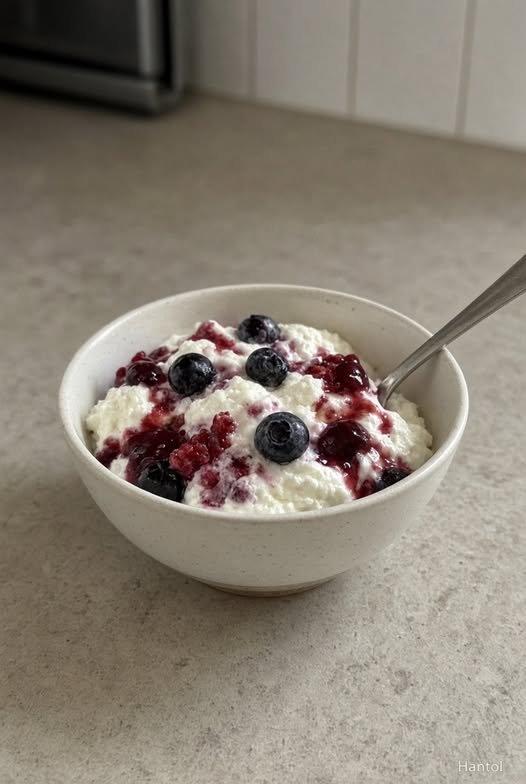
For extra flavor, top with a few fresh berries, cinnamon, unsweetened cocoa powder, or a small amount of chopped nuts.
High-protein cooking tip: Choose a fat-free cottage cheese with a high protein content and avoid adding large amounts of high-calorie toppings if you want to maintain the recipe’s protein-focused profile.
Nutrition Facts (Per Serving – Approximate)
- Calories: 90 kcal
- Fat: 0.5 g
- Cholesterol: 5 mg
- Sodium: 330 mg
- Potassium: 130 mg
- Total Carbohydrates: 5 g
- Fiber: 0 g
- Net Carbs: 5 g
- Sugars: 3 g
- Protein: 14 g
- Calcium: 80 mg
Nutrition values are approximate and can vary significantly depending on the cottage cheese brand, sweetener, and optional ingredients. The supplied target of approximately 90 calories and 14g protein is most realistic when using a higher-protein, low-calorie cottage cheese.
Notes
- Storage: Keep the finished ice cream tightly covered in the freezer for up to 1–2 weeks for best texture.
- Refrigeration: The finished dessert should remain frozen rather than stored in the refrigerator.
- Reheating: No reheating is needed; soften at room temperature for 5–10 minutes before scooping.
- Allergy note: Cottage cheese is a dairy product, so this recipe is not suitable for people with a milk allergy.
- Flavor boost: Add vanilla bean, cinnamon, lemon zest, unsweetened cocoa powder, or a small amount of instant espresso powder.
- Chocolate version: Blend in 1 tbsp unsweetened cocoa powder for a chocolate variation.
- Berry version: Blend in a small amount of fresh or frozen strawberries or blueberries, keeping in mind that this will increase the carbohydrate content.
- Texture tip: A shallow container freezes more evenly and makes the dessert easier to scoop than a deep container.
- WW note: The supplied recipe lists 1 Point per serving, but actual WW Points depend on the current WW program and exact branded ingredients.
Frequently Asked Questions
1. Does Cottage Cheese Ice Cream taste like cottage cheese?
When blended thoroughly with vanilla and sweetener, the cottage cheese flavor becomes much milder and the result tastes more like a creamy frozen dessert.
2. Do I need an ice cream maker?
No, a high-speed blender or food processor is enough to prepare this simple frozen treat.
3. Why is my Cottage Cheese Ice Cream icy?
Too much added liquid or freezing the mixture for too long can contribute to an icy or very firm texture.
4. How can I make it creamier?
Use thick, well-drained cottage cheese, blend it thoroughly, and let the frozen mixture soften for several minutes before scooping.
5. Can I add fruit?
Yes, berries work particularly well, although adding fruit will increase the recipe’s natural carbohydrate and calorie content.
6. Can I make chocolate Cottage Cheese Ice Cream?
Yes, blend in unsweetened cocoa powder for a chocolate version and adjust the sweetener to taste.