

Introduction
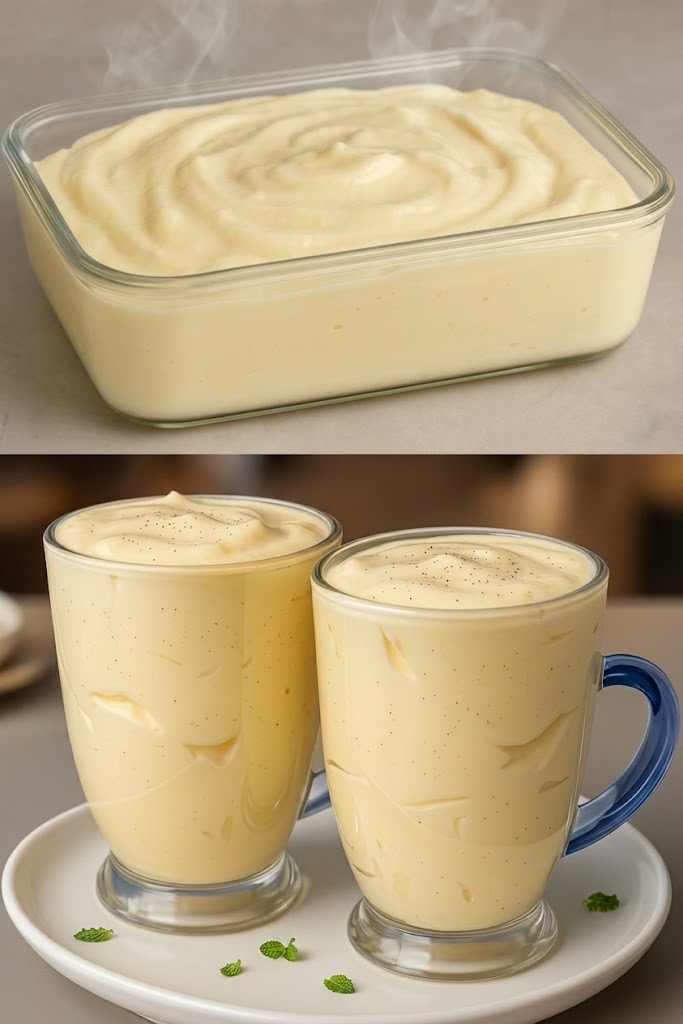
This Creamy Mango Mousse Pudding is a dreamy tropical dessert made with ripe mangoes, creamy dairy, vanilla, and a light, airy texture. It combines the naturally sweet flavour of mango with a silky pudding-like consistency that makes every spoonful feel wonderfully indulgent.
Unlike a heavy baked dessert, this mango mousse pudding is chilled and refreshing, making it especially enjoyable during warm weather. It is simple enough for a family dessert but elegant enough for dinner parties, celebrations, and special occasions.
For those following a highprotein lifestyle, Greek yogurt can be incorporated into the recipe to add protein and creaminess. If you’re following a low-carb eating plan, remember that mango naturally contains carbohydrates, so this dessert is best enjoyed in a moderate portion.
Can This Creamy Mango Mousse Pudding Support Weight Loss Goals?
This dessert can be included occasionally in a balanced eating pattern, particularly when portion sizes are kept moderate. Mango provides natural sweetness and flavour, while Greek yogurt can add protein and help make the dessert more satisfying.
Using unsweetened Greek yogurt and relying primarily on ripe mango for sweetness can also reduce the need for added sugar. However, mango is naturally carbohydrate-containing fruit, so this recipe should not be considered carb-free.
Does Creamy Mango Mousse Pudding Fit a High-Protein Lifestyle?
It can be adapted to fit a highprotein lifestyle by using plain Greek yogurt as part of the creamy base. Greek yogurt contributes considerably more protein than traditional whipped cream alone.
For an even more protein-focused version, use thick high-protein Greek yogurt and reduce the amount of heavy cream. The result will be slightly denser but still creamy and delicious.
Because mango contributes natural carbohydrates, this recipe is better described as protein-enhanced rather than a low-carb dessert.
Why This Recipe Is Special
- Naturally tropical: Ripe mango provides a bright, fruity flavour.
- Silky and creamy: The mousse has a smooth pudding-like texture.
- No complicated baking: The dessert is chilled rather than baked.
- Easy to customise: Adjust the sweetness and creaminess to your preference.
- Beautiful for entertaining: Individual glasses make an elegant presentation.
My Personal Experience
- The mango flavour really shines: Using ripe, fragrant mango gives the mousse a naturally sweet tropical taste that needs very little additional flavouring.
- The texture is wonderfully smooth: Blending the mango until completely silky creates a luxurious pudding-like consistency.
- It feels refreshing rather than heavy: Chilling the dessert gives it a cool, light quality that makes it perfect after dinner.
- Individual servings look beautiful: Serving the mousse in small glasses makes an everyday dessert feel much more special.
Perfect For
- Summer desserts
- Dinner parties
- Family gatherings
- Birthday celebrations
- Afternoon treats
- Holiday dessert tables
- Tropical-themed meals
- Make-ahead desserts
- Weekend entertaining
Why You’ll Love This Recipe
- Creamy and fruity: Mango and cream create a delicious tropical combination.
- Easy preparation: Most of the work is simply blending and mixing.
- No oven required: Perfect when you want dessert without heating the kitchen.
- Make-ahead friendly: It needs time to chill, making it convenient for entertaining.
- Naturally beautiful: The bright mango colour creates an attractive presentation.
- Customisable sweetness: Ripe mango can reduce the amount of added sweetener needed.
Common Mistakes to Avoid
- Using underripe mangoes: They may produce a sour mousse with less natural sweetness.
- Leaving mango fibres in the purée: Blend thoroughly for the smoothest pudding.
- Overwhipping the cream: Stop when soft-to-medium peaks form to maintain a smooth texture.
- Adding too much gelatin: Excess gelatin can make the mousse rubbery instead of creamy.
- Not chilling long enough: The mousse needs sufficient refrigeration time to achieve its ideal texture.
Required Equipment
- Blender or food processor: Creates a completely smooth mango purée.
- Mixing bowls: Keep the mango mixture and whipped cream easy to combine.
- Electric hand mixer: Quickly whips the cream to the right consistency.
- Small saucepan: Useful for dissolving gelatin.
- Spatula: Gently folds the whipped cream without deflating it.
- Serving glasses: Make individual portions attractive and easy to serve.
Storage Instructions
Cover the prepared mousse and refrigerate for up to 3 days.
If using fresh mango pieces as garnish, add them shortly before serving for the best appearance.
This dessert is not ideal for freezing because freezing and thawing can alter the creamy mousse texture.
Keep the mousse refrigerated until ready to serve.
Recipe Details
- Preparation Time: 20 minutes
- Chilling Time: 4 hours
- Total Time: 4 hours 20 minutes
- Servings: 6
- Best Season: Summer
- Approximate Calories: 245 kcal per serving
Short Description
This Creamy Mango Mousse Pudding combines ripe mango purée, Greek yogurt, whipped cream, vanilla, and a touch of gelatin for a silky, refreshing tropical dessert.
It is smooth, creamy, naturally fruity, and easy to prepare without turning on the oven.
Serve it chilled in individual glasses for an elegant dessert that’s perfect for warm-weather gatherings.
Ingredients
For the Mango Mousse
- 2 large ripe mangoes, peeled and chopped, about 2 cups (330 g)
- 1 cup (240 g) plain Greek yogurt
- ½ cup (120 ml) heavy whipping cream, chilled
- 2–3 tbsp honey or maple syrup, optional and adjusted to taste
- 1 tsp pure vanilla extract
- 1 tbsp fresh lime juice
- 1½ tsp unflavoured powdered gelatin
- 3 tbsp cold water
For Garnishing
- ½ cup diced fresh mango
- 2 tbsp toasted coconut flakes, optional
- Fresh mint leaves, optional
- A little lime zest, optional
Directions
1. Prepare the Mango
Peel and chop the ripe mangoes.
Add the mango pieces to a blender or food processor.
Blend for approximately 1–2 minutes until completely smooth.
For an ultra-smooth mousse, pass the purée through a fine-mesh sieve to remove any remaining fibres.
Measure out approximately 1½ cups of mango purée for the recipe.
2. Bloom the Gelatin
Place 3 tablespoons of cold water in a small bowl.
Sprinkle the powdered gelatin evenly over the surface.
Let it stand for 5 minutes until the gelatin absorbs the water and becomes soft.
3. Dissolve the Gelatin
Transfer the bloomed gelatin to a small saucepan.
Warm over low heat for approximately 30–60 seconds, stirring gently until completely dissolved.
Do not boil the gelatin.
Remove from the heat and allow it to cool slightly.
4. Prepare the Mango Mixture
In a large bowl, combine the mango purée, Greek yogurt, vanilla extract, and lime juice.
Add the honey or maple syrup if the mango needs additional sweetness.
Mix until smooth.
Taste the mixture before adding more sweetener because ripe mangoes can vary considerably in sweetness.
5. Add the Gelatin
Slowly pour the slightly cooled dissolved gelatin into the mango mixture while whisking continuously.
Mix until evenly incorporated.
Make sure the gelatin isn’t extremely hot when added to the yogurt mixture.
6. Whip the Cream
Pour the chilled heavy cream into a clean mixing bowl.
Using an electric mixer, whip on medium speed until soft-to-medium peaks form.
The cream should hold its shape but remain smooth and creamy.
Avoid overwhipping.
7. Fold Everything Together
Add approximately one-third of the whipped cream to the mango mixture.
Gently fold with a spatula to lighten the mixture.
Add the remaining whipped cream in two additions, folding carefully after each addition.
Use gentle sweeping motions rather than vigorous stirring to preserve the mousse’s airy texture.
8. Portion the Mousse
Divide the mixture evenly between 6 small serving glasses or dessert cups.
Smooth the tops gently with a spatula or spoon.
9. Chill
Cover the glasses and refrigerate for at least 4 hours.
For the best texture, allow the mousse to chill overnight.
The gelatin will help the mixture set into a soft, creamy pudding consistency.
10. Garnish
Just before serving, top each portion with a small amount of diced fresh mango.
Add toasted coconut, fresh mint, or a little lime zest if desired.
Keep garnishes modest so the mango mousse remains the centre of attention.
11. Serve
Serve the mousse directly from the refrigerator.
For the best flavour and texture, enjoy it cold and fresh.
Nutrition Facts
Approximate per serving, including the main mousse but excluding optional garnishes:
- Calories: 245 kcal
- Fat: 13 g
- Cholesterol: 45 mg
- Sodium: 55 mg
- Potassium: 300 mg
- Total Carbohydrates: 25 g
- Fiber: 2 g
- Net Carbs: 23 g
- Sugars: 21 g
- Protein: 7 g
- Calcium: 100 mg
Nutrition values are approximate and can vary depending on mango size, yogurt, cream, and the amount of optional sweetener used.
Notes
- Choose ripe mangoes: Fragrant, soft-ripe mangoes provide the best flavour and natural sweetness.
- Sweetener: Taste the mango before adding honey or maple syrup. Very ripe mangoes may need little or no added sweetener.
- Greek yogurt: Use plain, unsweetened Greek yogurt for a thicker, protein-rich mousse.
- Extra tropical flavour: Add a little coconut extract or toasted coconut on top.
- Citrus boost: Lime juice balances the sweetness and makes the mango flavour brighter.
- Dairy-free option: Use thick coconut yogurt and dairy-free whipping cream.
- Higher-protein option: Replace part of the heavy cream with additional thick Greek yogurt.
- Gelatin-free option: Use a suitable vegetarian setting agent such as agar-agar, following its package instructions because the quantity and method differ from gelatin.
- Texture: For a firmer pudding, slightly increase the setting agent; for a softer mousse, use slightly less.
- Allergy note: Contains dairy and gelatin unless substitutions are made.
FAQs
Can I use frozen mango?
Yes. Thaw frozen mango completely, drain excess liquid, and blend until smooth before using.
Can I make this mango mousse without gelatin?
Yes, but you will need another suitable setting method such as agar-agar, and the quantity and preparation method will differ.
How long does Mango Mousse Pudding last?
It can be refrigerated in covered containers for approximately 3 days for the best quality.
Can I make this dessert ahead of time?
Yes. It is an excellent make-ahead dessert because it needs several hours of chilling before serving.
Can I use regular yogurt instead of Greek yogurt?
Yes, although Greek yogurt creates a thicker and creamier texture with more protein.
How can I make it more protein-rich?
Use high-protein Greek yogurt and replace some of the whipped cream with additional Greek yogurt.
Is mango mousse low-carb?
Mango naturally contains carbohydrates, so this dessert is not strictly low-carb; reducing added sweetener lowers added sugar but does not eliminate the carbohydrates from the fruit.
Why didn’t my mousse set properly?
The most common causes are insufficient setting agent, improperly dissolved gelatin, or not allowing enough chilling time.