
Description
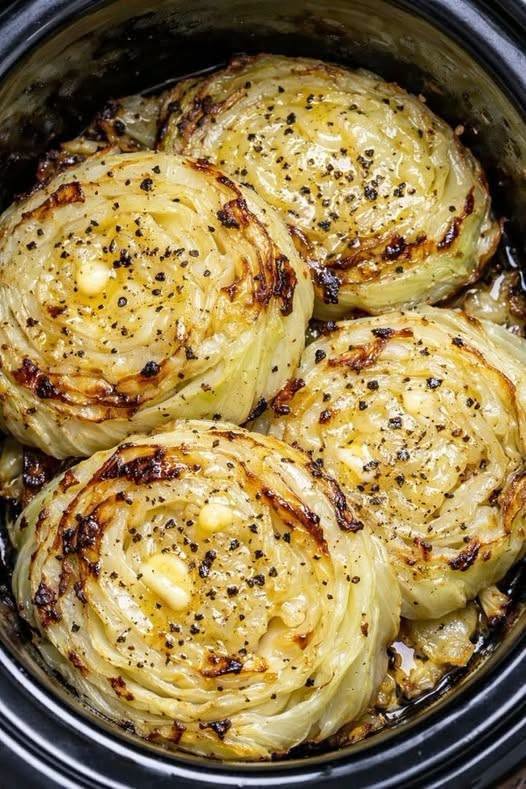
Vegan Slow Cooker Cabbage is a cozy, tender, and flavorful side dish made with fresh cabbage, onions, carrots, garlic, and savory herbs. Slow cooking transforms the cabbage into soft, buttery-tender bites while allowing the vegetables to absorb a rich vegetable broth and aromatic seasonings.
This simple dish is naturally vegan, budget-friendly, and naturally low in carbohydrates. For a more high-protein meal, pair it with lentils, beans, tofu, or another plant-based protein source.
Can This Vegan Slow Cooker Cabbage Support Weight Loss Goals?
Yes, this cabbage dish can fit into a weight-conscious eating pattern because cabbage and other non-starchy vegetables provide plenty of volume for relatively few calories. Using a measured amount of oil and choosing a broth with moderate sodium can keep the recipe balanced. Pairing it with a protein-rich food can make the meal more satisfying and complete.
Does Vegan Slow Cooker Cabbage Fit a High-Protein Lifestyle?
The cabbage itself is not especially high in protein, so this recipe works best as a high-protein meal when paired with beans, lentils, tofu, or another protein-rich ingredient. Its net carbs are relatively low because cabbage, onion, and carrots provide fiber alongside their carbohydrates. The slow-cooked vegetables make an excellent base for a protein-focused meal. Adding white beans or crispy tofu directly to the finished dish is an easy way to increase protein.
Why This Recipe Is Special
- Naturally low-carb: Cabbage provides plenty of volume without a heavy carbohydrate load.
- Slow-cooked comfort: Gentle cooking creates exceptionally tender vegetables and deep savory flavor.
- Budget-friendly: Simple, inexpensive vegetables create a satisfying dish.
- Vegan and dairy-free: No meat, butter, or dairy products are needed.
- Easy meal prep: The finished cabbage stores and reheats beautifully.
My Personal Experience
- The slow cooker makes the cabbage incredibly tender.
Instead of becoming watery or overly crisp, the cabbage slowly softens while absorbing the savory broth. - Garlic and smoked paprika add depth.
These seasonings give the mild cabbage a richer flavor without needing meat or dairy. - The carrots add natural sweetness.
Their gentle sweetness balances the savory broth and earthy cabbage. - It gets even better the next day.
Resting overnight gives the herbs and seasonings more time to infuse the cabbage. - I love serving it with beans or tofu.
Adding a protein-rich ingredient turns this humble side dish into a more filling vegan meal.
Perfect For
This recipe is perfect for weeknight dinners, Sunday meal prep, holiday side dishes, family meals, cozy winter dinners, low-carb meal plans, and budget-friendly cooking. It also works well alongside lentils, beans, tofu, roasted vegetables, or plant-based sausages. Serve smaller portions as a savory snack or use leftovers as a filling for wraps and bowls.
Why You’ll Love This Recipe
- Hands-off cooking
Once the ingredients are added to the slow cooker, there is very little work required.
It is especially convenient when preparing several dishes at once. - Tender and flavorful
Long, gentle cooking allows the cabbage to absorb the seasoned vegetable broth.
The result is soft, savory, and comforting without becoming complicated. - Naturally low-carb
Cabbage provides a vegetable-rich base with relatively low net carbohydrates.
It pairs especially well with tofu or another protein-rich food for a balanced plate. - Affordable and simple
Most of the ingredients are inexpensive pantry or produce staples.
You can make a generous batch without relying on specialty ingredients. - Excellent leftovers
The cabbage reheats well and remains flavorful for several days.
It is convenient for meal prep and quick lunches.
Common Mistakes to Avoid
- Adding too much broth — Cabbage releases moisture as it cooks, so excessive liquid can make the dish watery.
- Cutting the cabbage too finely — Very thin pieces can become overly soft during the long cooking time.
- Skipping the seasoning adjustment — Taste near the end and adjust salt, pepper, and acidity because slow cooking can mellow flavors.
- Overfilling the slow cooker — Leave enough room for the cabbage to cook evenly and stay within the manufacturer’s fill guidelines.
Required Equipment
- 6-quart slow cooker — Provides enough space for the cabbage and vegetables to cook evenly.
- Sharp chef’s knife — Makes cutting the cabbage and vegetables quick and consistent.
- Large cutting board — Provides a stable surface for preparing the vegetables safely.
- Wooden spoon — Makes it easy to stir and redistribute the vegetables.
- Measuring spoons — Help keep the seasoning and oil amounts consistent.
Storage Instructions
Allow the cooked cabbage to cool before transferring it to airtight glass or BPA-free containers. Refrigerate for up to 4 days.
For longer storage, place cooled portions in freezer-safe containers or bags and freeze for up to 2 months. Thaw overnight in the refrigerator before reheating.
For high-protein meal prep, store the cabbage separately from tofu, beans, or lentils so you can portion the protein according to your meal plan.
Recipe Details
- Preparation Time: 15 minutes
- Cooking Time: 4–5 hours on HIGH or 7–8 hours on LOW
- Total Time: 4¼–8¼ hours
- Servings: 6
- Best Season: All-season
- Total Calories: Approximately 125 calories per serving
Short 3-Line Description
This Vegan Slow Cooker Cabbage is tender, savory, comforting, and packed with simple vegetables and herbs.
Slow cooking allows the cabbage to absorb garlic, smoked paprika, and flavorful vegetable broth.
It is naturally low-carb and makes an easy side dish or base for a high-protein vegan meal.
📝 Ingredients
- 1 large green cabbage, approximately 2½ lb (1.1 kg), cored and chopped into 1-inch pieces
- 1 medium yellow onion, diced
- 2 medium carrots, sliced
- 4 cloves garlic, minced
- 1½ cups (360 ml) low-sodium vegetable broth
- 1 tablespoon olive oil
- 1 tablespoon apple cider vinegar
- 1 teaspoon smoked paprika
- 1 teaspoon dried thyme
- ½ teaspoon dried oregano
- ½ teaspoon onion powder
- ½ teaspoon salt, or to taste
- ¼ teaspoon black pepper
- ¼ teaspoon red pepper flakes, optional
- 1 tablespoon chopped fresh parsley
Note: Use low-sodium vegetable broth if you want more control over the final salt level.
Optional High-Protein Additions
- 1½ cups (250 g) cooked white beans
- 8 oz (225 g) cubed extra-firm tofu
- 1 cup (190 g) cooked lentils
Directions
- Prepare the cabbage.
Remove the tough outer leaves and core. Cut the cabbage into approximately 1-inch pieces so it becomes tender without completely losing its texture. - Prepare the vegetables.
Dice the onion, slice the carrots, and mince the garlic. Keeping the pieces relatively uniform helps everything cook evenly. - Layer the slow cooker.
Add cabbage, onion, carrots, and garlic to a 6-quart slow cooker. The cooker may look very full at first, but the cabbage will shrink considerably as it cooks. - Add the seasonings.
Sprinkle smoked paprika, thyme, oregano, onion powder, salt, black pepper, and optional red pepper flakes over the vegetables. - Add the liquid.
Pour in vegetable broth and olive oil. Gently toss the ingredients with a wooden spoon to distribute the seasonings. - Slow cook.
Cover and cook on LOW for 7–8 hours or HIGH for 4–5 hours. Stir once halfway through if convenient. - Check the texture.
The cabbage is ready when it is very tender but still holds its shape. The carrots should be fork-tender, and the broth should be mostly absorbed. - Add acidity.
Stir in apple cider vinegar during the final 5 minutes of cooking. This brightens the slow-cooked vegetables and balances their natural sweetness. - Add protein if desired.
Stir in cooked white beans or lentils during the final 15–20 minutes so they warm through without becoming mushy. For tofu, add pre-cooked crispy cubes just before serving to preserve their texture. - Finish with herbs.
Turn off the slow cooker and stir in fresh parsley. Taste and adjust salt, pepper, or vinegar as needed. - Serve.
Serve hot as a side dish or spoon over quinoa, cauliflower rice, or another vegetable base for a more complete meal.
High-protein cooking tip: Add cooked lentils or white beans near the end of cooking, or serve the cabbage with crispy baked tofu. This increases the protein content while keeping the cabbage itself light and vegetable-forward.
Nutrition Facts (Per Serving – Approximate)
- Calories: 125 kcal
- Fat: 5 g
- Cholesterol: 0 mg
- Sodium: 330 mg
- Potassium: 470 mg
- Total Carbohydrates: 18 g
- Fiber: 5 g
- Net Carbs: 13 g
- Sugars: 8 g
- Protein: 4 g
- Calcium: 105 mg
Nutrition note: These values are approximate for the cabbage recipe without optional protein additions. Adding beans, lentils, or tofu will increase calories and protein.
Notes
- Storage: Refrigerate for up to 4 days in an airtight container.
- Freezing: Freeze portions for up to 2 months. Thaw overnight before reheating.
- Reheating: Warm gently in a covered skillet over medium-low heat for 5–8 minutes or microwave until hot throughout.
- Allergy notes: The basic recipe is free from dairy, eggs, and nuts. Check vegetable broth labels for potential allergens.
- Flavor boost: Add Dijon mustard, caraway seeds, fresh dill, chili flakes, or a splash of lemon juice.
- Extra protein: Stir in white beans or lentils, or serve with baked tofu.
- Lower-carb option: Reduce the carrots slightly and serve the cabbage with tofu or another low-carb protein.
- Texture tip: Do not add excessive broth; the cabbage naturally releases plenty of liquid while cooking.
Frequently Asked Questions
Can I use red cabbage instead of green cabbage?
Yes, red cabbage works well, although it will give the dish a deeper color and slightly different flavor.
Can I add potatoes?
Yes, diced potatoes can be added, but they will increase the carbohydrate content and may require additional cooking time.
Can I make this recipe without oil?
Yes, replace the olive oil with a small amount of vegetable broth, although the finished dish will be slightly less rich.
Can I add beans directly to the slow cooker?
Yes, cooked beans can be added during the final 15–20 minutes to warm them without making them overly soft.
How can I make this cabbage more flavorful?
Try adding smoked paprika, garlic, Dijon mustard, caraway seeds, chili flakes, or a splash of apple cider vinegar.
Is this recipe high in protein?
The cabbage version is not especially high in protein by itself, but adding lentils, beans, tofu, or another plant-based protein makes it much more suitable for a high-protein meal.