

Description
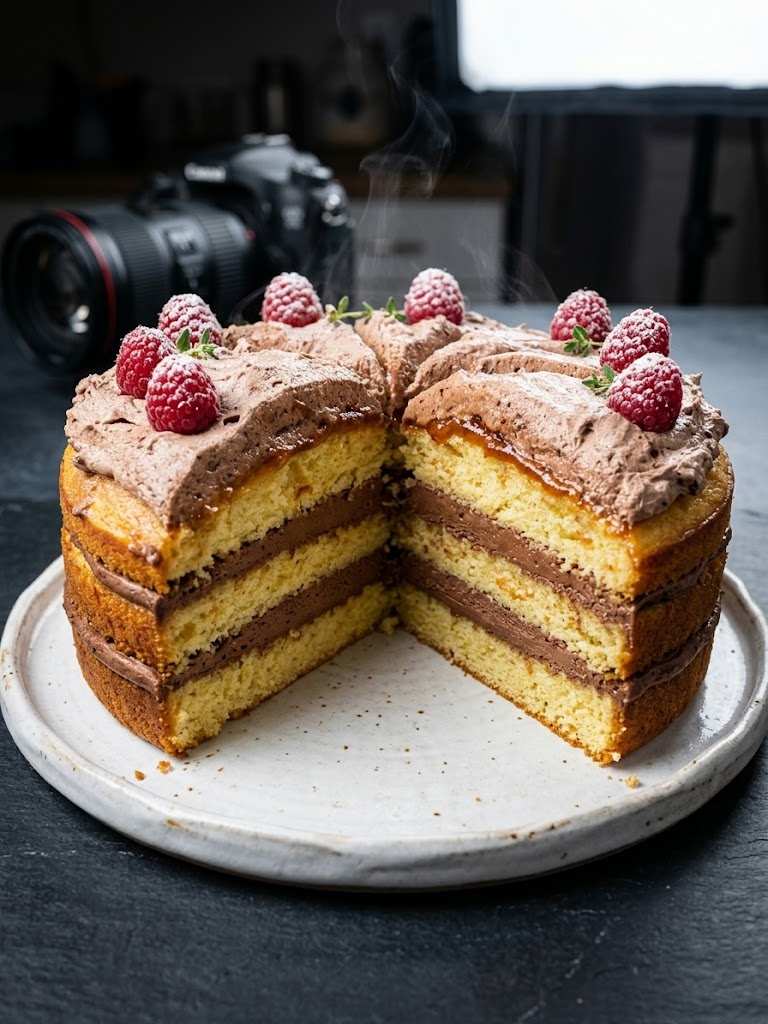
This Chocolate Frosted Yogurt Cake is soft, moist, tender, and deeply chocolatey, with a luscious layer of creamy chocolate frosting on top. Greek yogurt adds moisture and a subtle tang that balances the richness of cocoa, while hot coffee helps create an even deeper chocolate flavor.
It’s an easy homemade dessert that works beautifully for birthdays, afternoon coffee, family gatherings, or whenever a chocolate craving strikes. For a more highprotein option, Greek yogurt can be used throughout the recipe, while a low-carb baking blend and suitable sugar substitute can create a low-carb adaptation.
Can This Chocolate Frosted Yogurt Cake Support Weight Loss Goals?
Yes, it can fit into a balanced eating pattern when enjoyed in a sensible portion. Yogurt and eggs contribute protein, while cocoa delivers plenty of chocolate flavor without needing a large amount of chocolate.
Because the cake contains flour, sugar, oil, and frosting, it is still an indulgent dessert. A smaller slice paired with fresh berries or plain Greek yogurt can make a satisfying dessert while keeping portions reasonable.
Does Chocolate Frosted Yogurt Cake Fit a highprotein Lifestyle?
This cake is more highprotein-friendly than many traditional chocolate cakes because it uses Greek yogurt and eggs. Each serving provides approximately 7g of protein, although the recipe is not naturally low-carb, with approximately 45g net carbs per serving. Using Greek yogurt, a protein-rich baking flour blend, and a high-protein yogurt topping can increase the protein content without completely changing the cake’s tender texture.
Why This Recipe Is Special
- Moist and tender: Greek yogurt helps create a soft, delicate crumb.
- Deep chocolate flavor: Cocoa and hot coffee give the cake a rich chocolate taste.
- Creamy frosting: The smooth chocolate topping makes every slice extra indulgent.
- Simple ingredients: Everyday pantry staples create a bakery-style dessert.
- Protein-friendly: Greek yogurt makes it easy to increase the protein content.
My Personal Experience
- Room-temperature ingredients make a difference.
Eggs and yogurt blend more smoothly when they aren’t cold. This helps create a more even and tender cake crumb. - Don’t overmix the batter.
I find the best texture comes from mixing only until the flour disappears. Overmixing can make the finished cake heavier and denser. - Cool completely before frosting.
A warm cake can soften or melt the chocolate frosting. Waiting for the cake to cool gives you a much cleaner finish. - Use quality cocoa powder.
Since cocoa is the main chocolate flavor, a good unsweetened cocoa powder makes the finished cake taste noticeably richer.
Perfect For
- Birthday celebrations
- Afternoon tea or coffee
- Weekend baking
- Family gatherings
- Potlucks
- Dinner parties
- School celebrations
- Holiday dessert tables
- Make-ahead desserts
- Chocolate cravings
Why You’ll Love This Recipe
- Super moist: Greek yogurt keeps every bite soft and tender.
- Chocolate-packed: Cocoa is used in both the cake and frosting for rich flavor.
- Easy to make: The batter requires simple mixing without complicated baking techniques.
- Creamy frosting: A smooth chocolate topping gives the cake an irresistible finish.
- Make-ahead friendly: The cake can be baked ahead, cooled, and frosted later.
Common Mistakes to Avoid
- Overmixing the batter: Mix gently and stop as soon as the dry ingredients disappear.
- Overbaking: Remove the cake when a toothpick comes out with a few moist crumbs.
- Frosting a warm cake: Always cool the cake completely before adding frosting.
- Using too much flour: Extra flour can make the yogurt cake dry.
- Ignoring measurements: Baking depends heavily on accurate ingredient ratios.
Required Equipment
- 8- or 9-inch round cake pan — Helps the cake bake evenly with the right thickness.
- Mixing bowls — Keeps wet and dry ingredients organized.
- Electric mixer — Creates smooth, fluffy chocolate frosting.
- Whisk — Combines the dry ingredients evenly.
- Rubber spatula — Helps gently mix the batter without overworking it.
- Wire rack — Allows the cake to cool evenly before frosting.
Storage Instructions
Store the frosted cake covered at room temperature for 1–2 days or refrigerate it for up to 4 days. For the best texture, allow refrigerated slices to sit at room temperature briefly before serving.
The unfrosted cake can be wrapped tightly and frozen for up to 2 months. Thaw it completely before frosting and serving.
Recipe Details
- Prep Time: 20 minutes
- Baking Time: 30–35 minutes
- Cooling Time: 45 minutes
- Total Time: Approximately 1 hour 40 minutes
- Servings: 10
- Course: Dessert
- Cuisine: American-inspired
- Best Season: All year
- Calories: Approximately 360 kcal per serving
- Protein: Approximately 7g per serving
Short 3-Line Description
Soft, moist, and deeply chocolatey, this Chocolate Frosted Yogurt Cake is an easy homemade dessert with a creamy chocolate topping.
Greek yogurt adds moisture and makes the cake more highprotein-friendly than many traditional chocolate cakes.
Serve it with berries or Greek yogurt for a delicious dessert that feels rich without needing a huge slice.
📝 Ingredients
For the Chocolate Yogurt Cake
- 1½ cups all-purpose flour
- ½ cup unsweetened cocoa powder
- 1 teaspoon baking powder
- ½ teaspoon baking soda
- ½ teaspoon salt
- ¾ cup granulated sugar
- 2 large eggs
- ¾ cup plain Greek yogurt
- ½ cup neutral vegetable oil
- 1 teaspoon vanilla extract
- ½ cup milk
- ½ cup hot coffee or hot water
For the Chocolate Frosting
- ½ cup unsalted butter, softened
- 1½ cups powdered sugar
- ⅓ cup unsweetened cocoa powder
- 2–3 tablespoons milk
- 1 teaspoon vanilla extract
- Pinch of salt
Optional Garnishes
- Chocolate shavings
- Mini chocolate chips
- Fresh berries
- Chopped nuts
- Light dusting of cocoa powder
Directions
Prepare the Cake
- Preheat the oven: Heat oven to 350°F (175°C).
- Prepare the pan: Grease an 8- or 9-inch round cake pan and line the bottom with parchment paper.
- Mix dry ingredients: Whisk flour, cocoa powder, baking powder, baking soda, and salt in a medium bowl.
- Whisk eggs and sugar: In a large bowl, whisk sugar and eggs until smooth.
- Add yogurt: Whisk in the Greek yogurt until fully incorporated.
- Add oil: Pour in the vegetable oil and mix well.
- Add vanilla: Stir in vanilla extract.
- Add milk: Pour in the milk and whisk until smooth.
- Combine: Gradually add the dry ingredients to the wet mixture.
- Mix gently: Stir only until no obvious dry flour remains.
- Add hot liquid: Slowly pour in the hot coffee or hot water.
- Finish batter: Stir gently until smooth. The batter will be relatively thin.
- Transfer: Pour batter into the prepared cake pan.
- Level: Gently smooth the surface.
- Bake: Bake for 30–35 minutes.
- Check doneness: A toothpick inserted in the center should come out with a few moist crumbs but no wet batter.
- Cool in pan: Let the cake rest for about 10 minutes.
- Transfer: Carefully move it to a wire rack.
- Cool completely: Allow the cake to cool completely before frosting.
Make the Chocolate Frosting
- Beat butter: Beat softened butter until creamy.
- Add cocoa: Mix in the cocoa powder.
- Add powdered sugar: Gradually beat in the powdered sugar.
- Add milk: Add 2 tablespoons of milk.
- Flavor: Mix in vanilla and a pinch of salt.
- Beat: Continue mixing until smooth and creamy.
- Adjust: Add the remaining tablespoon of milk if the frosting is too thick.
Assemble
- Place the completely cooled cake on a serving plate.
- Spread the chocolate frosting evenly over the top.
- Add chocolate shavings, berries, nuts, or another garnish if desired.
- Cut into 10 portions.
- Serve at room temperature or slightly chilled.
High-Protein Cooking Tips
- Use Greek yogurt instead of regular yogurt for a higher-protein cake.
- Replace part of the all-purpose flour with a suitable high-protein baking flour.
- Serve each slice with plain Greek yogurt and fresh berries.
- Use a protein-rich yogurt frosting for an even higher-protein variation.
- Keep the frosting portion moderate if you’re watching calories.
- For lower net carbs, use an appropriate low-carb baking blend and baking-friendly sugar substitute.
Nutrition Facts (Per Serving – Approximate)
Based on 10 servings:
- Calories: ~360 kcal
- Total Fat: ~18g
- Saturated Fat: ~8g
- Cholesterol: ~65mg
- Sodium: ~260mg
- Potassium: ~180mg
- Total Carbohydrates: ~48g
- Fiber: ~3g
- Net Carbs: ~45g
- Sugars: ~31g
- Protein: ~7g
- Calcium: Varies by yogurt and milk used
Nutrition values are approximate and can change depending on the specific yogurt, flour, milk, cocoa, oil, and frosting ingredients used.
Notes
- Yogurt: Greek yogurt gives the cake a slightly denser texture and more protein.
- Coffee: Hot coffee intensifies the chocolate flavor without making the cake strongly taste like coffee.
- No coffee: Use hot water instead.
- Cocoa: Choose unsweetened cocoa powder.
- Storage: Keep covered at room temperature for 1–2 days or refrigerate for up to 4 days.
- Frosting: Allow refrigerated cake to come closer to room temperature before serving.
- Freezing: Freeze the unfrosted cake tightly wrapped for up to 2 months.
- Flavor boost: A small amount of espresso powder can deepen the chocolate flavor.
- Decoration: Chocolate curls, berries, or chopped walnuts make easy finishing touches.
Frequently Asked Questions
Can I use regular yogurt instead of Greek yogurt?
Yes, plain regular yogurt works, although Greek yogurt generally provides more protein and a slightly richer texture.
Why is hot coffee added to chocolate cake?
Hot coffee enhances the cocoa flavor and creates a deeper chocolate taste without usually making the cake taste strongly of coffee.
Can I use hot water instead?
Absolutely. Hot water works well, although the chocolate flavor may be slightly less intense.
Why is my chocolate yogurt cake dry?
Overbaking is one of the most common reasons, so begin checking the cake a few minutes before the suggested baking time.
Can I make this cake ahead of time?
Yes, bake it a day ahead, cool it completely, wrap it tightly, and frost it before serving.
How can I make this cake more highprotein?
Use Greek yogurt, serve it with high-protein yogurt, and consider replacing part of the flour with a baking-friendly protein flour blend rather than replacing all of the flour.


